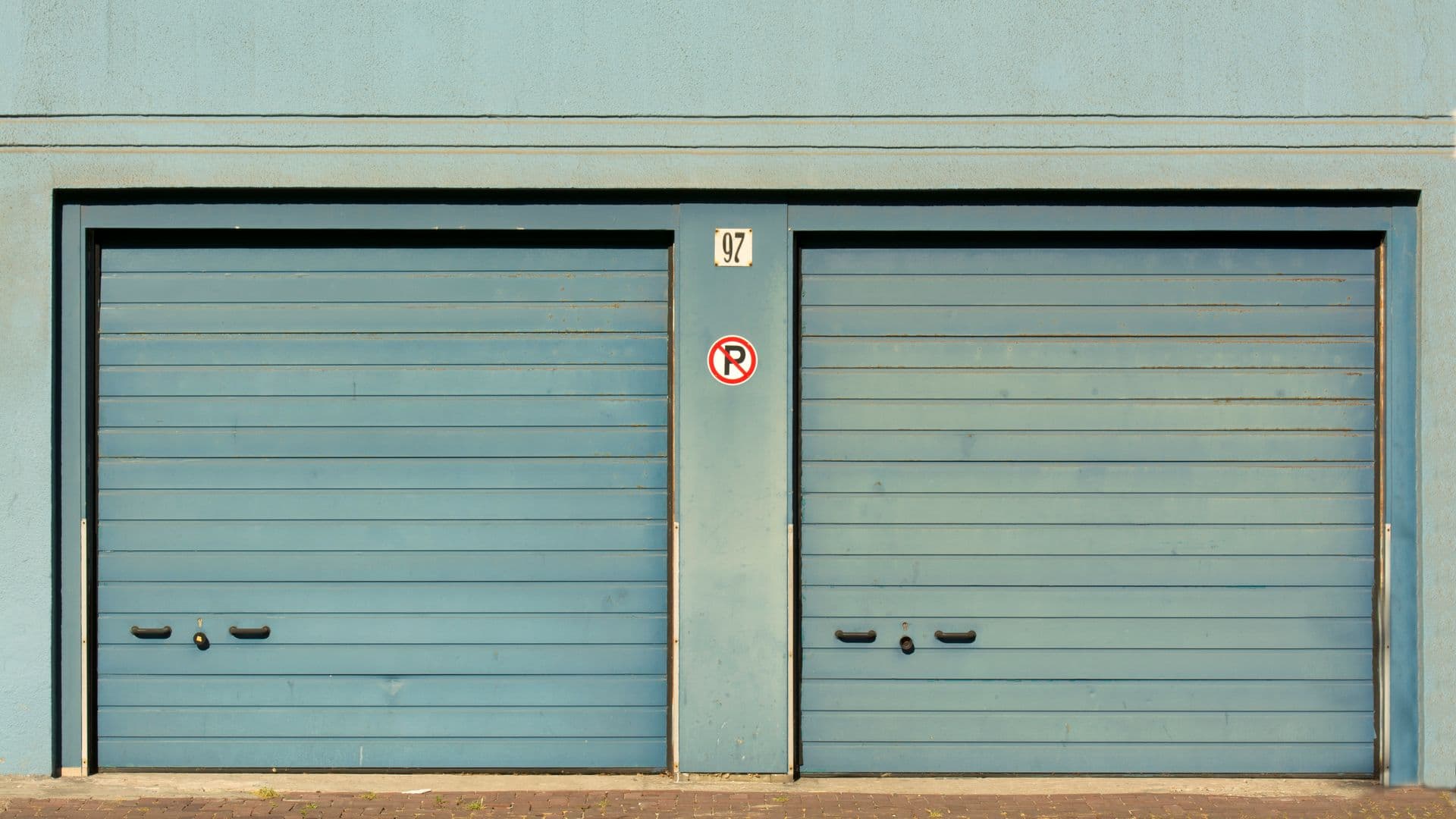
It is 7:02am. A homeowner pulls the garage-door opener and hears a bang like a gunshot. The door does not move. Their car is trapped inside, they have a 9am meeting, and the spring above the door is now in two pieces.
They are not going to research this. They are going to call. And they are going to keep calling until a human voice picks up and says "we can get someone out today."
The shop that answers that 7am call books a same-day, full-ticket job. Every other shop on the list gets a voicemail the homeowner will never return. The whole thing is decided in the first three rings.
The 7am spring call is the easiest job you'll ever lose
A snapped spring is the cleanest emergency in the trades. There is no diagnosis to argue about, no "let me think about it," no quote to comparison-shop. The door is broken and the car is stuck. The only question the homeowner has is who can come today.
That makes the buying decision almost entirely about who answers first. Scorpion's home-services data found that 78% of buyers choose the first company to respond, and a lead answered inside 5 minutes converts roughly 21x better than one answered at 30. We see the same on Vantal test calls: a homeowner with a trapped car does not leave a voicemail and wait. They hang up and dial the next listing.
Vendasta's response-time research backs the same number from a different angle: 78% of customers buy from whoever responds first, and contacting a lead inside the first minute can lift conversion by 391%. For a snapped spring, that minute is the whole job.
What a 5-minute answer is actually worth vs. a callback
Most garage-door shops do not lose the spring call because their price is wrong. They lose it because nobody was at the phone. The owner is on a door, the one office person is at lunch or has not clocked in yet, and the 7am call rolls to voicemail.
Here is what that costs. The classic MIT / InsideSales lead-response study tracked roughly 15,000 leads across 100,000-plus call attempts and found that contacting a lead within 5 minutes instead of 30 makes you about 100x more likely to reach them and 21x more likely to qualify the job. That decay is steep for any lead. For a homeowner whose car is locked in the garage, it is a cliff.
Illustrative of the decay, not measured figures from these studies. The percentages are directional, scaled to an emergency same-day call where the buyer dials the list in order. The underlying research: the MIT / InsideSales Lead Response Management Study found contacting inside 5 minutes vs 30 is roughly 100x more likely to reach the lead and 21x more likely to qualify it, and Scorpion home-services data found 78% of buyers choose the first company to respond.
The callback at 10am is a different conversation entirely. By then the homeowner has already gotten the car out with the side door or a neighbor, already booked someone else, and probably cannot remember which of the four shops they tried at 7am was you. You paid for the lead and got the chase, the discount, and the second-choice job, if you got it at all.
The exact call you're sending to voicemail
This is what the 7am spring call sounds like when somebody actually answers it. Three rings, no script for the friendly part, just the triage that turns a panicked homeowner into a booked same-day job.
Scenario: Homeowner calls Summit Garage Doors at 7:04am. The torsion spring snapped, the car is stuck inside, and they have a meeting at 9. Vantal answers and books the same-day window.
A real Vantal voice call shown as a chat for readability. Names changed. Same-day window booked in under two minutes, no callback, no voicemail.
The ticket math: $265 booked vs. $0 to voicemail
The cost of the missed call is not the call itself. It is the gross margin on the same-day job you did not book.
A typical garage-door repair runs about $265 on average, with most jobs landing between $155 and $379, per HomeAdvisor's repair cost data. A spring replacement specifically averages around $250, usually $150 to $350, and HomeAdvisor's spring data notes torsion springs run higher than extension springs. Most spring jobs come in pairs, so the real ticket is often at the top of that range.
That is the number sitting on the line every time a spring call hits voicemail at 7am. Book it and it is a clean, hour-long, full-margin job. Miss it and it becomes a $0 entry your competitor cashed.
Move the sliders to your own shop's numbers. The output assumes Vantal would have answered the calls you currently lose to voicemail.
Revenue you’re leaving on the line, per year
$27,560
Assumes a 50% close rate on the calls that get answered. Actual recovery depends on triage rules and your on-call rotation.
See it on your lineRun it on your own shop. Four missed spring calls a week at full ticket adds up to a tech's worth of revenue walking to whoever picked up the phone. We built Vantal for the small garage-door shop that cannot put a dedicated person on the line at 7am but cannot afford to keep losing the calls that come in then.
Three after-hours options, and what each one actually does
The job is to put something on the line that picks up when your desk is empty: before 8am, at lunch, on the second simultaneous call, and after close. The honest comparison is between three real options.
| Capability | Voicemail | Human answering service | AI intake (Vantal) |
|---|---|---|---|
Picks up at 7am before staff arrives | ✗ | ✓ | ✓ |
Average pickup speed | n/a | 30 to 90 seconds | 3 rings |
Knows a snapped spring is same-day | ✗ | Sometimes | ✓ |
Books straight to your calendar | ✗ | Sometimes | ✓ |
Answers the second call during a rush | ✗ | Sometimes | ✓ |
Spanish on the first ring | ✗ | Sometimes | ✓ |
Recording and transcript every call | ✗ | Rarely | ✓ |
Capability comparison only. Pricing varies by call volume and integrations. The human-service column reflects published bilingual full-staff ranges; AI intake pricing depends on volume.
The spring calls cluster at the worst possible hour for a small shop, right when the owner is heading to the first job and the office is not open. The shops that win those calls did not hire a sleeper shift. They put something on the line that never misses a ring. An AI receptionist is one way to do it without a new W-2.
What to do tomorrow
Four moves, none of which need a developer or a new hire.
- Pull last week's early-morning calls. Count the ones that rolled to voicemail before 8am. Multiply by your average ticket. That number is your morning leak.
- Forward your line to anything that isn't voicemail before staff arrives and after close. Your cell, an answering service, or an AI receptionist. Anything that opens with a human voice, not a recording.
- Write your one triage rule. Snapped spring or door off track gets a same-day window booked live. Everything else gets scheduled normally. One sentence, your own words.
- Test your own line at 7am. Call it before your office opens and hear exactly what a homeowner with a trapped car hears. Fix the part you would hang up on.
Hear Vantal answer your line in 30 seconds
Vantal is the receptionist that picks up the 7am spring call. Three rings, recognizes a same-day emergency, books the window into your calendar, and texts the homeowner a confirmation before they have time to open the next Google tab. English and Spanish, every call recorded, every transcript in your inbox.
If you want to hear what it would sound like on your own line, run the test on your shop's number. No setup, no card. Or book a 20-minute demo and we will wire it to your calendar live.
FAQ
How much does a garage-door spring replacement cost?
Is a snapped spring really a same-day job?
How fast does a garage-door shop need to answer to win the job?
Can an AI receptionist handle an emergency garage-door call?
What does an AI receptionist cost for a garage-door shop?
Keep reading
Criminal defense intake happens at night: answer before the next lawyer does
Arrest calls, DUI calls, bond questions, and family-member panic do not wait for business hours. Criminal defense firms need a live intake line that captures urgency and books the consult without giving legal advice.
Family law and immigration intake: urgent calls need a calm first answer
Divorce, custody, protective orders, immigration notices, and work-permit deadlines create emotional calls. Law firms win these consults by answering fast, routing correctly, and booking the next step.
Personal injury intake is won in the first five minutes
A car-accident lead is not shopping patiently. They call the next personal injury firm until someone answers, listens, qualifies the case, and books the consult. Here's the intake playbook.